

The short answer is yes!
Are you familiar with this scenario: you have a urinary tract infection, visit your GP, have a course of antibiotics, which seem to work for a while… and then you have another UTI? The healthy periods between infections become shorter, and antibiotics don’t seem to clear a UTI completely, you still have a niggling feeling down below and visit the loo far too often. After many repeated courses of different antibiotics over some months or years, you may find that they don’t work that well any more. Life becomes uncomfortable and you feel awkward in social situations as you always need to know the location of the nearest toilet.
Sometimes no infection is detected on your urine test, it comes back clear, and nobody seems to know why you are still having symptoms. Interstitial cystitis, where damage to the bladder lining and on-going inflammation drive the symptoms, is often suggested. Thrush, which was never a problem before, may become an annoying unwanted companion. Sex becomes painful and makes your symptoms worse, which puts strain on your relationship. Why is this happening to me? – you may be asking yourself and your doctor.
There are many possibilities here, all of which will need to be considered if your recurrent UTIs are spoiling your life.
Firstly, the three microbiomes (urinary, vaginal and gut) although separate and distinct, are interconnected because of their close anatomical proximity and natural translocation of bacteria from one to the other.
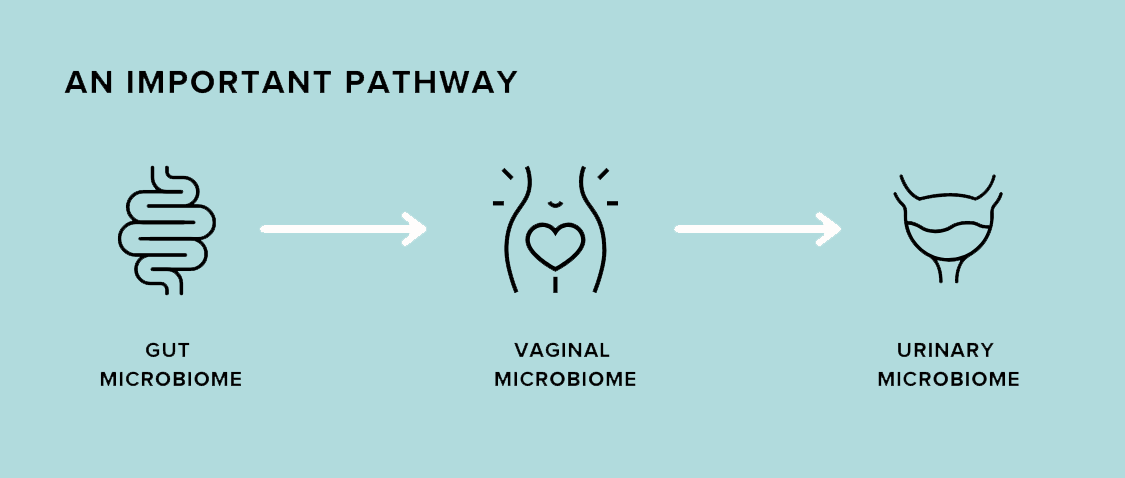
If you have dysbiosis in the gut, which is an imbalance in the various types of bacteria populating mainly your large intestine, then it could be a potential source of recurring trouble. If you are a member of some on-line groups that share their personal experiences and discuss their repeated UTIs, you will come across many cases where stubborn UTIs don’t shift until the gut microbiome is properly analysed and addressed accordingly. Those with dysbiosis do not necessarily have many signs of specific digestive disorders and may be completely unaware that opportunistic and potentially problematic bacteria or yeasts have overgrown and become a biological reservoir for urinary and vaginal microbiomes contamination.
Another reason why UTIs keep coming back is that bacteria have become resistant to many types of antibiotics. If you do not finish the prescribed course, some of the bacteria may survive, and it becomes a true case of ‘what doesn’t kill you, makes you stronger’ – for the bacteria! The surviving bacteria develop resistance to that particular antibiotic and the next treatment may be much less effective. This is where preventative quick action at the very first signs of a developing UTI is so important. It often stops bacteria from taking hold and becoming a full-blown UTI that requires medication. I teach my clients how to spot the very early signs and what preventative measures to take.
Vaginal health is no less important and needs attention not only when excessive discharge and bad odour become apparent. Bacterial translocation between the vagina and urinary tract happens all the time, and it is important not to ignore signs of vaginal issues. Any discomfort down below should be investigated, and the composition of vaginal microbiome can be surprising at times. For example, cystolytic vaginosis can look like thrush and be treated as such, when in fact it is caused by the overgrowth of good, usually protective Lactobacilli species. This is a classic case of ‘too much of a good thing can be a bad thing’.
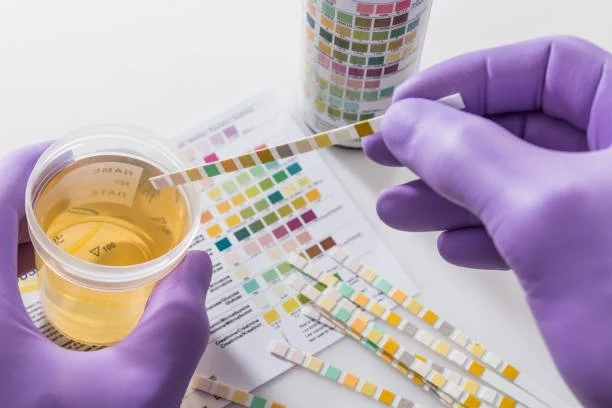
Different testing methods provide different results. Standard urinary or swab tests often report that there is nothing wrong even though you are symptomatic. This is because they have not been designed to find every bacterium in your urine sample or vaginal swab. One in every three women suffering from UTIs receive a negative from a standard urine culture.1 The culture test was designed in the 1950s, before anyone knew the urinary tract had a microbiome at all. The science has moved on since then. Thankfully, new highly accurate PCR or metagenomic testing methods are available today, which can give answers in not so clear-cut cases.
Another aspect to consider is your urinary pH. Some urease-positive bacteria like Proteus, Nocardia, Ureaplasma, Helicobacter pylori, Klebsiella, Cryptococcus, Staphylococcus epidermidis and Staphylococcus saprophyticus2 can convert urea to ammonia and carbon dioxide. This will lead to increased urine pH. Whether they originate from the gut microbiome or elsewhere, these bacteria need to be cleared. They make the urinary environment more alkaline, where infections and bacterial overgrowth can thrive. It is possible to improve the situation with lowering urinary pH and clearing ammonia. High concentrations of ammonia or ammonium compounds in the urine can irritate the lining of the urinary tract and cause a painful burning sensation. Ammonia needs to be reduced to achieve meaningful progress.
Other bacteria are known to be histamine-producers. Such gut or urogenital bacteria (E.coli, Enterobacter and Clostridia species) can trigger or worsen urinary tract irritation, urgency, frequency and pelvic pain.3 Clinical studies note that a significant percentage of patients with chronic bladder pain or interstitial cystitis present with histamine-producing bacteria in the vaginal or urogenital tract.4 An overgrowth of these bacteria in the gut (often linked with irritable bowel syndrome or leaky gut) increases systemic histamine loads, lowering the threshold for bladder irritation. Histamine causes local inflammation, swelling, increased detrusor muscle contractions and hypersensitivity of the bladder's sensory nerves - mimicking or exacerbating UTI symptoms, overactive bladder (OAB) or interstitial cystitis/bladder pain syndrome.5
Another difficulty in detecting the bacterial culprits behind your UTIs or irritable bladder syndrome is the fact that bacteria create biofilms, which help them to remain undetected. Imagine a fast-flowing river with some mossy, algae-covered rocks or boulders on the river bed. The river represents your urine stream – there are few pieces of algae that float free to be detected as they are all static and gathered around the boulders. These represent biofilms, which are secure homes that bacteria build for themselves to hide in. This is hardly surprising that standard bacterial culture tests come back negative as they are unable to catch these bacteria. A biofilm disruptor needs to be taken for a week before urinary testing to free the bacteria from their hide-aways and make them detectable. This is especially important in recurrent cases where the reasons are hard to establish.
Sometimes you can see a pattern and the connection is obvious. Symptoms appear a day or two after sex, almost every time. Sexual activity is a recognised risk factor for recurrent UTIs. It may be worthwhile testing your partner for his urinary and semen microbiome, to see if he also needs to address any issues that are not so obvious.
There can be other patterns too. Your symptoms may appear at a particular point in your menstrual cycle or start after changing contraception. They can start during perimenopause or menopause. There are hormonal connections here, which may need to be investigated in more depth.
Your diet can play a big part too. Your gut or bladder may be particularly sensitive to certain foods, drinks or spices. You may have obscure food intolerances that you don’t even suspect are present. All of these causes need to be carefully considered.
If your life is plagued by recurrent UTIs, on-going digestive issues like IBS or vaginitis, don’t suffer in silence, take proactive steps to seek help.
References
1 https://pubmed.ncbi.nlm.nih.gov/18499768/
3 https://pmc.ncbi.nlm.nih.gov/articles/PMC12787463/
4 https://www.histamined.com/post/overactive-bladder-read-this-mast-cells-and-bladder-function
5 https://www.nature.com/articles/s41598-020-60967-7
© Marina Townsley, ND